
We have all grown up hearing this:
“Breakfast, lunch, and dinner… three meals a day are essential.”
But have you ever stopped and asked — who decided this rule?
What if I told you that eating three meals a day is not an ancient tradition…
but a system designed around work schedules, not your body?
The Truth No One Talks About
The idea of eating three fixed meals a day feels natural today. But in reality, it is a relatively modern concept. For most of human history, people did not eat based on the clock. They ate based on hunger, availability, and physical needs.
How People Actually Ate in the Past
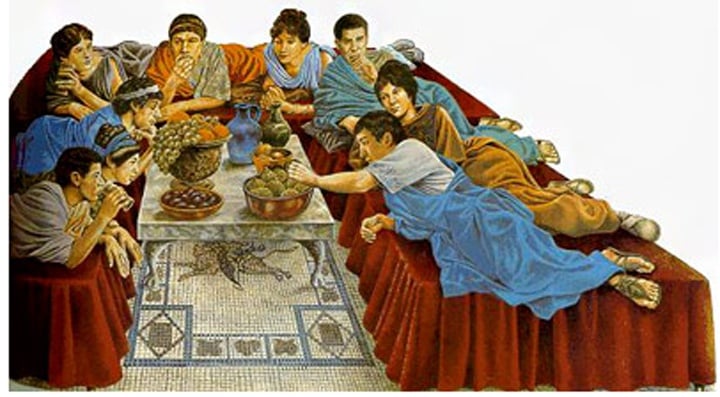
In ancient civilizations, eating patterns were very different from today.
- In ancient India, people often had a light meal in the morning and a main meal in the evening
- In ancient Greece and Rome, eating once or twice a day was common
- Food was consumed based on physical work, not fixed timings
Life revolved around movement, labor, and sunlight — not alarms, meetings, or schedules.
The Turning Point — Industrial Revolution
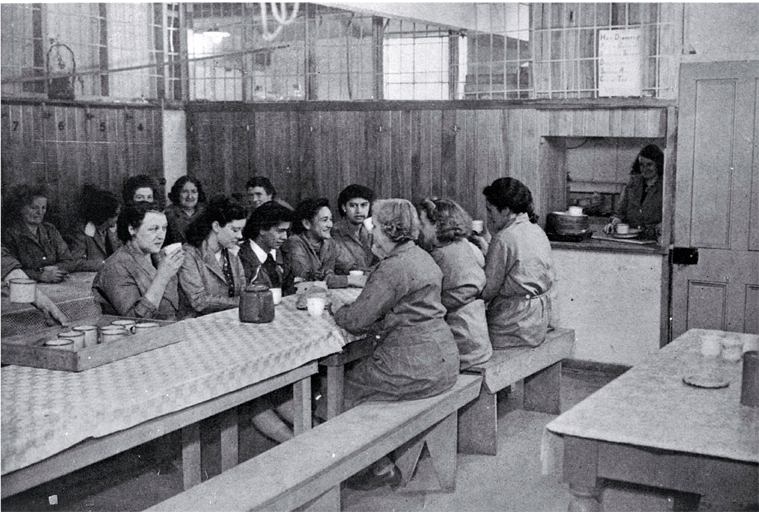
Everything changed during the Industrial Revolution.
- People started working fixed hours in factories
- Workdays became structured and time-bound
- Meal timings were adjusted around work shifts
This is when the three-meal system was born:
- Before work → Breakfast
- Midday break → Lunch
- After work → Dinner
In simple terms, your job started deciding when you eat — not your body.
How It Became the “Normal”
As modern life evolved, schools, offices, and society adopted the same structure. Nutrition guidelines also began promoting three meals a day as the standard.
Over time, this system became so common that it started to feel like a biological necessity — even though it is not.
What Actually Matters
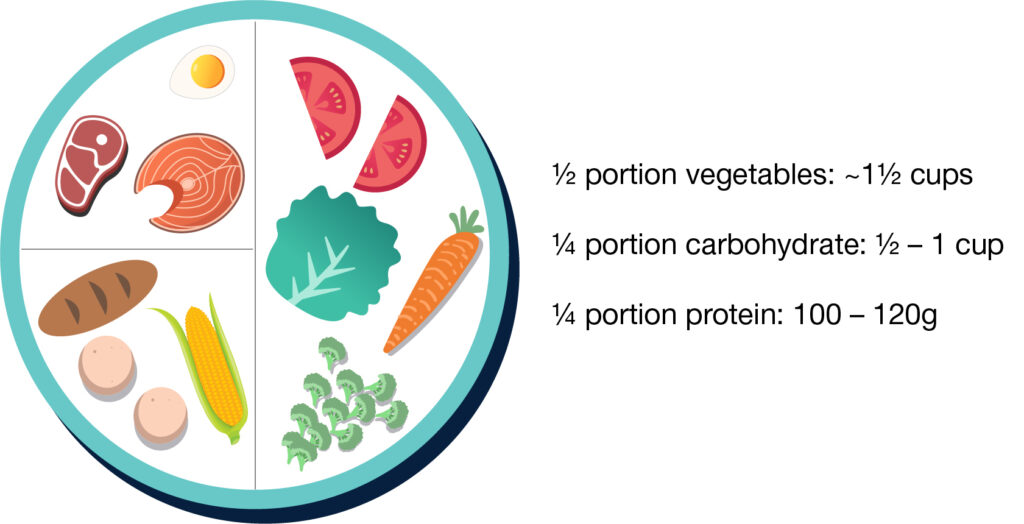
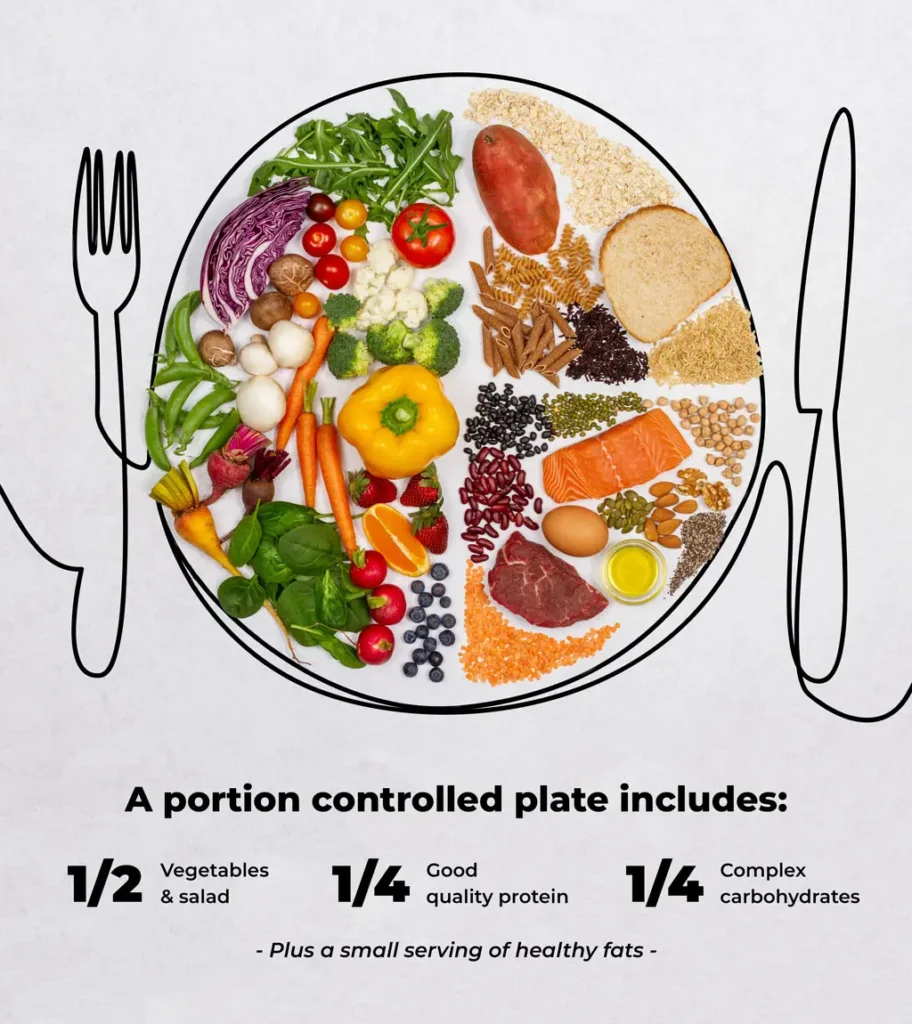
Your body does not require exactly three meals a day to function optimally.
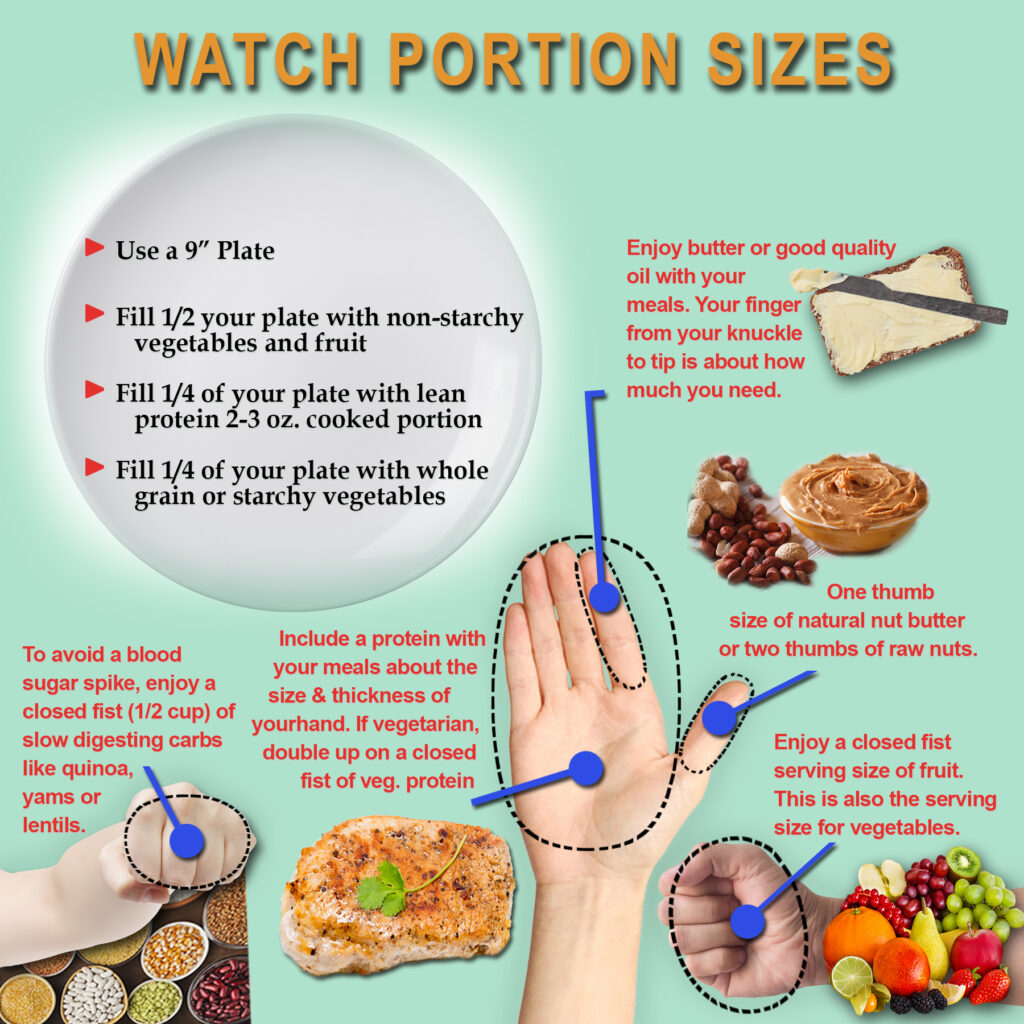
What actually matters is:
- Total calories you consume
- Quality of your food
- Consistency over time
You can eat:
- Two meals a day
- Three meals a day
- Multiple smaller meals
All of them can work — if the fundamentals are right.
The Real Problem
Most men over 40 are not struggling because of meal frequency.
They are struggling because:
- They eat without awareness
- They follow outdated rules blindly
- They never question what actually works for their body
CONCLUSION
Eating three meals a day is not a timeless tradition.
It is a convenient system created during the industrial era.
And just because it is common…
does not mean it is necessary for you.
Start Listening to Your Body — Not the Clock
If you are over 40 and struggling with fat loss, energy, or consistency —
you do not need another strict diet.
You need a system that fits your life.
Personal guidance. Real life approach. No extreme diets.